
Introduction
Finding a manufacturer in China produces a contact, not a purchasing decision. A supplier can answer quickly, show an attractive sample and offer a competitive price while still being unsuitable for your order. Reliability depends on the specific product, manufacturing route, delivery requirements and people responsible for resolving problems.
For importers, distributors, brands and procurement managers, the practical objective is to build an evidence-based shortlist. You need to know who will contract with you, where the goods will be made, what has been approved and what remains uncertain. This guide sets out a sequence for making those decisions without treating any search channel or company document as a guarantee.
1. Turn Your Purchasing Requirement into a Search Brief
Start with the information a manufacturer needs to assess product fit. Describe the intended use, materials, dimensions, performance requirements, quantity and model mix. Include drawings or reference photographs where useful, but explain which features are mandatory and which are negotiable. A reference picture rarely communicates tolerances, internal construction or packaging requirements adequately.
State the destination market and identify any technical or regulatory questions that require specialist review. Separate confirmed requirements from open questions. You can begin a sourcing conversation with an incomplete brief; the important point is to avoid allowing assumptions to become an unrecorded specification. Assign a revision number and name the person who can approve changes.
Use the brief to search across specialist exhibitions, industry directories, B2B platforms and relevant referrals. Ask each potential supplier about the exact product and process, rather than sending only a broad category name. Keep the initial shortlist manageable enough to investigate consistently. Record where each lead came from and the evidence still required before proceeding.
2. Understand Who You Are Buying From
A factory, trading company or sourcing intermediary may each be appropriate. A direct manufacturer can be useful when process access, tooling or repeat production is central to the purchase. A trading company may coordinate smaller quantities or several product lines. Neither business model automatically establishes reliability, and the lowest number of intermediaries is not always the best purchasing arrangement.
Ask which legal entity quotes, contracts, invoices and receives payment. Then identify the production site and any subcontracted processes. Request a clear explanation of relationships between these parties. A sales office at a different address is not necessarily a problem; an unexplained change of payment beneficiary or refusal to identify the manufacturing site deserves investigation before commitment.
For Chinese company-record checks, obtain the registered Chinese name and Unified Social Credit Code where applicable. The National Enterprise Credit Information Publicity System is an official starting point. SAMR guidance describes company searches using the enterprise name, credit code or registration number. Access and available information may vary. Compare records with supplied documents and retain dated notes of discrepancies; registration alone does not establish manufacturing ability.
3. Evaluate Capability Against the Actual Order
Ask the supplier to describe the proposed production sequence, from incoming materials to packing. Identify the critical operations, equipment, outsourced work and quality checkpoints. Discuss how the requested quantity fits current commitments and what assumptions underpin the proposed lead time. A large workshop photograph does not answer whether the relevant process is available for your order.
Request evidence that relates to your configuration: comparable manufacturing processes, a realistic sample plan, equipment information or records demonstrating how changes are controlled. Distinguish available capacity from theoretical maximum output. If a product requires special materials, tooling or finishing, establish who sources these inputs and how substitutions would be approved. Avoid turning an informal production estimate into a delivery promise.
An on-site factory audit is useful when important questions cannot be resolved remotely, when production is unfamiliar, or when the commercial exposure justifies closer examination. Define the site, processes and records to examine in advance. Findings should identify limitations and corrective actions, not simply award a reassuring label. Document checks and a factory visit answer different questions; one should not be reported as the other.
4. Use Samples to Establish a Controlled Specification
Clarify whether a sample is a stock item, a modified prototype or a production-representative unit. A stock sample may demonstrate workmanship without proving that your chosen material, logo or tooling has been validated. Record every difference from the intended order and decide what additional evidence is needed before approval.
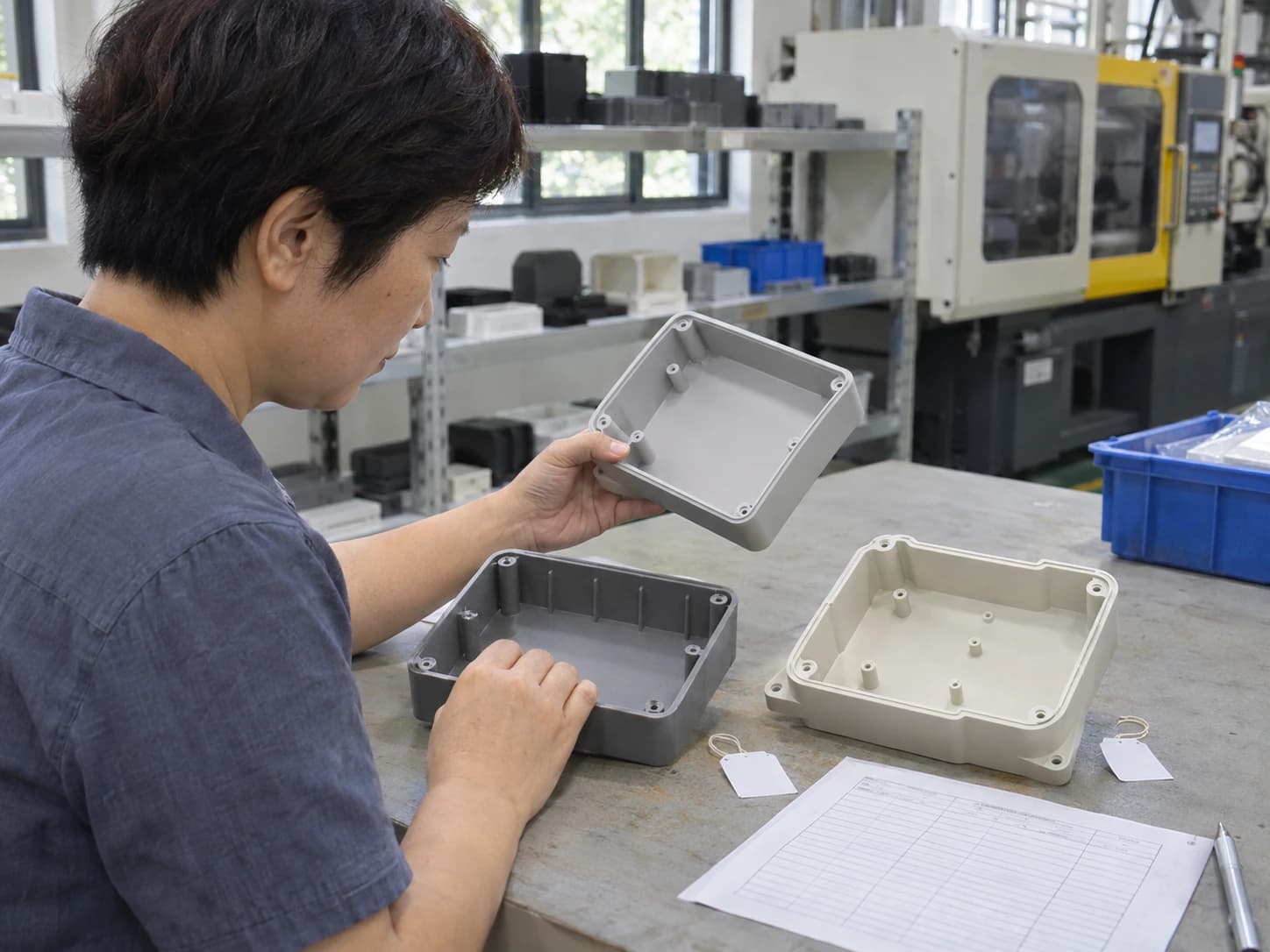
Assess dimensions, fit, finish, packaging and other agreed criteria systematically. Where performance or safety requires laboratory testing, agree the relevant product configuration and testing scope with qualified parties. Photographs and visual inspection cannot establish every technical characteristic. Retain an identifiable reference sample, specification revision and approval record so the factory and inspector are working to the same basis.
Approval should identify both accepted features and unresolved conditions. State who may authorize substitutions or drawing changes. If a material or process changes later, decide whether further samples or testing are necessary. This prevents a conversation about a seemingly minor alteration from quietly changing the product you thought you had ordered.
5. Compare Quotations on a Common Basis
Send shortlisted suppliers the same specification and request a comparable response format. Reconcile the unit of measure, quantity, packaging, currency, quotation validity and delivery basis. Ask suppliers to flag alternatives separately rather than silently pricing a cheaper material or different carton configuration. An attractive unit price is useful only when its scope is understood.
Compare sample charges, tooling, inspection arrangements, inland movement and any excluded services alongside the goods price. Ask about minimum quantities by model or color, not just the headline order minimum. Review payment milestones and the evidence available before each commitment. Keep estimated logistics costs distinct from confirmed supplier charges, and identify who will update each estimate.
For a more detailed comparison method, use the total sourcing cost guide. The aim is not to predict every expense perfectly at the shortlist stage. It is to expose meaningful differences and unanswered questions before price becomes the only basis for choosing a supplier.
6. Investigate Warning Signs and Record the Decision
Pay attention to conflicting company identities, unexplained beneficiary changes, vague answers about production, pressure to pay before specifications are settled, and documents that do not match the product or entity. Treat these as reasons to investigate, not automatic proof of misconduct. Ask a precise follow-up question and record whether the response resolves it.
Equally, a polished presentation is not evidence that concerns have disappeared. Maintain a decision record showing which requirements are met, which remain conditional and which are unacceptable. Assign responsibility and a deadline for closing critical gaps. If evidence remains insufficient, reduce the commitment, investigate another supplier or postpone the decision rather than describing the supplier as verified without qualification.
Practical Supplier Evaluation Checklist
- Product brief: intended use, configuration, quantity, packaging and destination questions documented.
- Supplier identity: contracting entity, registered name, payment beneficiary and production site reconciled.
- Capability: relevant processes, outsourcing, capacity assumptions and quality checkpoints reviewed.
- Samples: differences, approved revision, technical checks and change authority recorded.
- Commercial scope: MOQ, one-off charges, delivery basis, exclusions and payment milestones compared.
- Follow-up: unresolved risks, corrective actions and buyer approval responsibilities assigned.
Conclusion
Choose a manufacturer by connecting product requirements with credible evidence, not by searching for a single badge of reliability. The strongest shortlist explains why each supplier fits the order and what must still be confirmed before purchasing.
FUTURE TECH's China-based team supports Supplier Sourcing, Supplier Verification and Factory Audit. These activities help buyers make informed decisions; they do not remove the need for project-specific approvals, contracts or technical review.