
Introduction
A factory visit and a product inspection can both involve someone walking through a workshop with a checklist. Their purposes are different. One examines the manufacturing operation; the other examines goods against defined requirements. Buying the wrong service, or leaving its scope unclear, can produce a report that does not answer the question behind your purchasing decision.
Importers should connect each check to a decision: whether to shortlist a supplier, approve a production site, address a manufacturing problem or release an order for shipment. The following distinctions help define that scope and understand what a report can reasonably establish.
1. Supplier Verification Establishes Who You Are Dealing With
Supplier verification starts with identity and background information. It may include reviewing business registration, the stated operating address, company documents and the relationship between the contracting entity and production site. Product-linked documents need separate attention to the entity, model, issuing organization and scope they actually cover.
Document review does not establish that equipment exists at the claimed site or that current production follows a stated procedure. A registry entry is not product certification. If information is incomplete or inconsistent, record the gap and request evidence rather than describing the entire supplier as approved. The buyer should know which checks were performed and which were outside the assignment.
2. A Factory Audit Examines the Manufacturing Operation
A factory audit is a structured assessment of an identified site against agreed criteria. For procurement purposes, it may examine equipment, process flow, incoming-material controls, production records, subcontracting and the way nonconforming goods are handled. Its usefulness depends on whether those topics relate to the product and order under consideration.
Agree what access is needed before the visit. Relevant evidence might include equipment observations, discussions with responsible personnel and selected operating records. Note when a process was not running, a document was unavailable or an area could not be inspected. These limitations matter when interpreting the findings; a short visit cannot establish how every shift or future order will perform.
Separate observations from conclusions. A corrective action should name the issue, responsible party and evidence required for closure. A procurement factory audit is not automatically a third-party certification audit, and an internal report does not confer a certification. Review whether the remaining gaps are acceptable before placing or expanding an order.
3. Product Inspection Examines the Goods
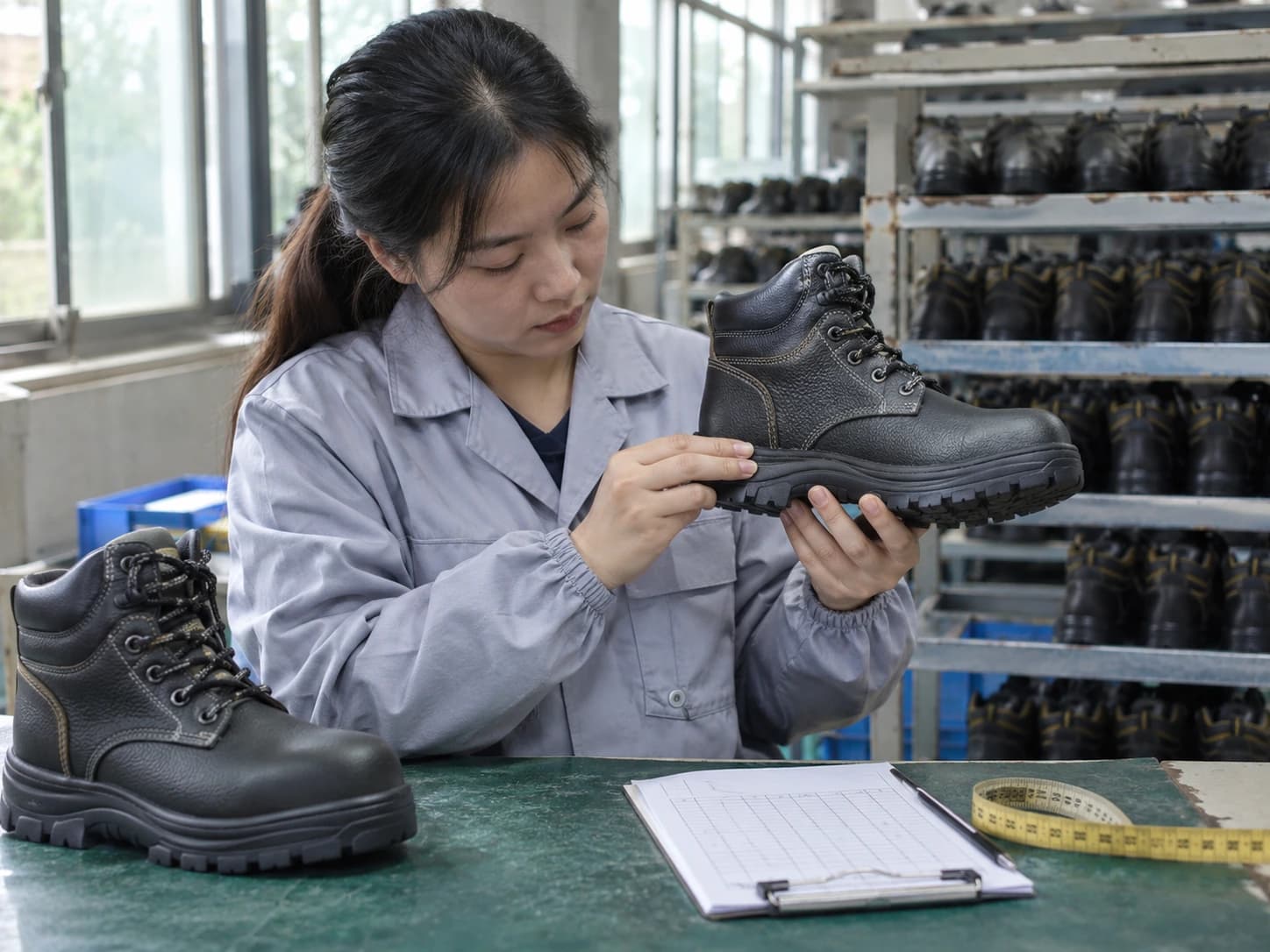
Product inspection checks an identified lot or selected units against approved specifications, samples and agreed inspection criteria. Typical visual and dimensional checks may cover appearance, workmanship, sizes, quantity, packaging and marking. Define the product revision and inspection scope before the inspector arrives, including any equipment or factory assistance needed.
Where sampling is used, agree the lot definition, sampling approach, defect classifications and decision rules. ISO 2859-1 addresses acceptance sampling by attributes. Its public summary is not a substitute for selecting and applying an appropriate plan. Sample inspection cannot establish that every unit is defect-free, and an acceptance decision should not be presented as a universal quality guarantee.
An on-site inspection also does not replace laboratory testing or a destination-market regulatory assessment. A product may look correct yet have characteristics that cannot be established visually. Identify those questions separately and decide who is qualified to evaluate them. Avoid putting an untestable requirement on a visual checklist and later assuming it has been verified.
4. Choose the Right Production Checkpoint
During-production inspection
Checks during production can help identify emerging workmanship, material or process issues while there is still an opportunity to respond. Agree when enough relevant production will be available and which stages must be observed. Visiting too early may reveal little; visiting after a critical operation is complete may miss the opportunity to examine it.
Record what was actually available for inspection and what was still unfinished. If an issue is found, agree containment, corrective action and follow-up evidence. The report should distinguish observed goods from planned output. A satisfactory mid-production check does not automatically approve later units, final packaging or the complete shipment.
Pre-shipment inspection
Pre-shipment inspection is planned near dispatch, when the agreed quantity and packing readiness allow the required checks. Confirm readiness before scheduling travel, and reserve time for the buyer to review results. A booking deadline should not become an automatic instruction to ship before unresolved findings have been considered.
If rework is needed, clarify how affected goods will be identified and whether a further inspection is required. The inspector reports findings; the buyer retains the commercial acceptance decision unless a different authority has been expressly agreed. Define who can release shipment and how that instruction is documented.
5. Match the Service to the Decision
| Check | Main question | Important limitation |
|---|---|---|
| Supplier verification | Is the business identity and supporting information consistent? | Documents alone do not demonstrate site capability. |
| Factory audit | Can the observed operation support the proposed manufacturing requirements? | A site assessment does not approve every future shipment. |
| During-production inspection | Are observable production-stage issues emerging? | Later output and final packing remain outside completed checks. |
| Pre-shipment inspection | Do the inspected goods meet the agreed release criteria? | Sampling and scope limitations still apply. |
A new supplier with an unfamiliar process may justify identity checks followed by a factory audit and planned product inspections. An established supplier making a repeat item may need a different combination. Changes to the production site, material, tooling or product configuration should trigger a review of the plan rather than automatic reuse of last year's checklist.
6. Avoid Common Quality Control Mistakes
The most costly misunderstandings often begin before inspection: no approved reference, unclear tolerances, inconsistent defect descriptions or no agreement about what happens after a failed check. Resolve these points while the order can still be changed. A report cannot repair an ambiguous purchasing specification on its own.
Other avoidable mistakes include treating photographs as laboratory evidence, assuming an audit is certification, scheduling inspection without confirming readiness, and accepting verbal promises as closure of documented findings. Keep the report, buyer decision and any follow-up evidence together. Discuss contractual remedies with the appropriate advisers; the inspection provider should not invent obligations the parties never agreed.
Practical Quality Control Checklist
- Define the purchasing decision each check must support.
- Confirm the legal entity, production site, product revision and responsible contacts.
- Provide approved samples, specifications and measurable acceptance criteria.
- Agree timing, lot availability, sampling and reporting requirements.
- Identify questions requiring laboratory or specialist regulatory review.
- Set corrective-action, reinspection and buyer-release responsibilities before dispatch.
Conclusion
Supplier verification, factory audits and product inspections complement one another when their roles are clear. None replaces the others, and none removes all purchasing risk. A useful quality plan specifies the evidence required at each stage and who acts on it.
FUTURE TECH's own China-based team conducts Factory Audits and Quality Inspections within an agreed scope. For the earlier supplier-selection stage, see the manufacturer evaluation guide.